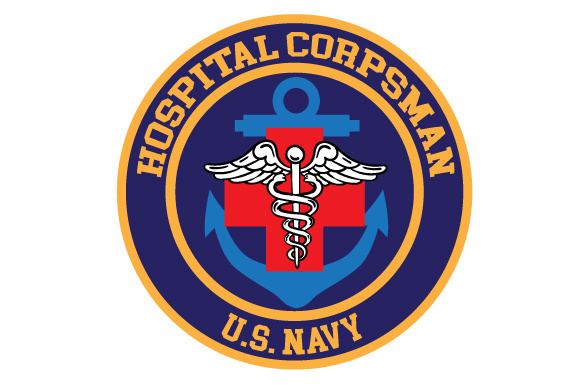
Hospital Corpsman Badge: A Designer's Stitch Test
Some designs land on my desk and immediately feel like they belong in a real project, not just sitting in a digital folder. The Hospital Corpsman Badge is one of those. It carries a quiet authority that makes you pause and think about the person who would wear it or the story behind the finished piece. Before I even opened the file, I had a hunch this would be a strong candidate for custom apparel and recognition gifts, and I was not disappointed.
As someone who reviews embroidery designs for actual production use, I look beyond the preview image. I think about how the stitches will lay on different fabrics, whether the details will hold up after washing, and how a customer might react when they see the finished product. The Hospital Corpsman Badge passes that initial gut check with a confident, structured presence that feels rooted in the Medical field without being overly clinical or cold.
First Look: What This Design Communicates
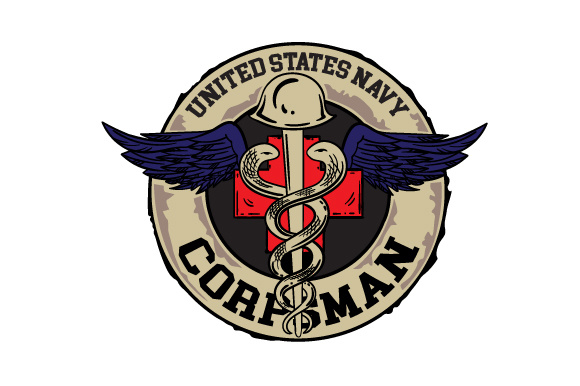
Opening the file, the design immediately projects professionalism and heritage. The layout is balanced and emblematic, with a central caduceus motif that anchors the badge. The wings wrapping around the core symbol give it a sense of motion and purpose, while the surrounding text elements frame the badge with a formal, almost ceremonial weight. This is not a playful or trendy graphic. It is a design with gravitas, and that matters when you are stitching something that represents real service and identity.
The visual personality leans traditional and honorific. It would look completely at home on a pressed uniform, a shadow box, or a commemorative patch. The level of detail is substantial enough to feel authentic but not so intricate that it becomes a nightmare to digitize or stitch cleanly. That balance is something I always look for, especially when I know a design will end up on products that people handle daily.
A Real Project in Mind: The Custom Recognition Tote
Let me ground this in a real scenario. A few weeks ago, a client reached out about creating a personalized gift for a retiring Navy hospital corpsman. She wanted something understated but meaningful, something that could be carried every day but still carry the pride of over two decades of service. Immediately, I thought of a heavy canvas tote bag with the Hospital Corpsman Badge stitched on the front panel, paired with the recipient's name and years of service in a clean serif font below.
I loaded the design into my embroidery software and started testing placement and sizing. The badge's proportions are forgiving. At around four inches wide, it held its detail beautifully without the lettering becoming muddy or the inner caduceus losing definition. I ran a test stitch on a scrap of 10-ounce canvas with a medium-weight cutaway stabilizer, and the result was crisp. The satin stitch borders read cleanly, and the filled areas had a smooth, polished finish that looked far more expensive than the time it took to stitch out.
This is the kind of project where the Hospital Corpsman Badge truly shines. It turns a simple tote bag into a keepsake. The client's reaction when she saw the sample confirmed what I suspected: people connect emotionally with designs that carry real meaning, and the quality of the stitchwork directly influences how they perceive the value of the gift.
Stitching Behavior Across Different Products
After that initial test, I tried the design on a few other surfaces to see how it behaved. On a cotton sweatshirt, the badge stitched out with a slightly softer feel, which actually worked well for a garment meant to be worn. The fill stitch density was reasonable, so the fabric did not pucker or stiffen excessively. On a structured cap, the curved surface required careful hooping and a bit more adhesive spray to keep the twill from shifting, but the design itself held up. The key is to avoid scaling it too small on caps, as the lettering around the outer edge needs room to breathe.
I also tested the Hospital Corpsman Badge on a linen-blend tea towel for a potential Crafts market product. The slightly textured fabric gave the badge a vintage, handcrafted look that I genuinely loved. If you sell at craft fairs or run an Etsy shop focused on home goods, this is a design worth considering for pillow covers, aprons, or kitchen linens. The contrast between the formal badge and the humble fabric creates a visual tension that feels intentional and curated.
Where You Should Proceed With Caution
Like any detailed machine embroidery design, the Hospital Corpsman Badge has a few sensitive spots. The thin lettering elements demand a stable hooping setup and a sharp needle. On stretchy fabrics like jersey or performance knits, you absolutely need a reliable cutaway stabilizer and possibly a topper to prevent the stitches from sinking into the fibers. I would also avoid shrinking the design below three inches in width unless you are willing to sacrifice some of the finer text details.
Dark fabrics present another consideration. The design reads well on black or navy backgrounds, but the thread color contrast becomes critical. A bright gold or metallic thread on a dark canvas tote makes the badge pop dramatically. On lighter fabrics, a deeper gold or muted bronze thread can give it a more subdued, elegant feel. I always recommend testing a small section with your chosen thread and fabric combination before committing to a full run. The difference between a good stitchout and a great one often comes down to that ten-minute test.
How This Design Elevates a Handmade Product
When I evaluate a design for commercial use, I ask myself a simple question: does this make the finished product feel more valuable? For the Hospital Corpsman Badge, the answer is a clear yes. The design carries an inherent sense of significance that transfers to whatever you stitch it on. A plain apron becomes a statement piece. A simple patch becomes a collectible. A baby blanket with this badge embroidered in a corner, perhaps for a child whose parent serves as a corpsman, becomes a deeply personal gift that no off-the-shelf product can replicate.
From a brand consistency standpoint, this design offers a lot of flexibility. You can use it as a standalone focal point or incorporate it into a larger composition with names, dates, or additional military-themed elements. The file package includes SVG, transparent PNG, EPS, and DXF formats, which means you have room to create matching mockups, product photography overlays, and even complementary printed materials like thank-you cards or packaging inserts. That kind of format variety is a quiet advantage for small business owners who handle their own branding and marketing.
Practical Notes for Embroidery Professionals
Before you add this design to your production lineup, there are a few practical steps I always recommend. First, run a test stitch on the exact fabric and stabilizer combination you plan to use for your final product. What looks good on a sample swatch can behave differently on a finished garment with seams and layers. Second, check your thread color choices under both natural and artificial light, as metallic and gold tones can shift dramatically depending on the lighting environment.
Third, review the stitch density in your embroidery software. The Hospital Corpsman Badge has a well-balanced density in my experience, but your machine's tension settings and the specific thread brand you use can affect how the fills and satin borders interact. If you notice any pulling or distortion, a slight density reduction of around ten percent usually resolves the issue without compromising the visual impact.
Fourth, consider the hoop size. The badge's shape works best in a hoop that gives you at least an inch of clearance around all edges. Crowding the design into a minimal hoop increases the risk of registration errors and makes the outer text elements harder to align. I use a mid-sized hoop for most of my test runs and have not encountered significant issues.
Selling Finished Products With Confidence
If you are an Etsy seller, a craft fair vendor, or a small shop owner, the Hospital Corpsman Badge opens up a range of product possibilities. Embroidered patches are an obvious and popular choice, especially for military-themed collections. Custom apparel like sweatshirts, hoodies, and jackets also perform well, particularly around holidays like Veterans Day, Memorial Day, or Father's Day when buyers are actively searching for meaningful, personalized gifts.
The design also works well for printable mockups if you sell digital product previews. The clean lines and recognizable silhouette make it easy to overlay on product photos, giving your listings a professional, cohesive look. Just be sure to confirm the licensing terms for commercial use before selling finished items, as every design marketplace has its own rules about what you can and cannot do with purchased files.
One thing I appreciate about this design is how it respects the subject matter. It does not feel like a generic template with a caduceus slapped on. There is a thoughtfulness to the proportions and the way the elements relate to each other that tells me the original designer understood the importance of the hospital corpsman role. That authenticity comes through in the stitched result, and customers notice it. When someone buys a product with this badge, they are not just buying embroidery. They are buying a piece of identity, and the quality of your stitchwork determines whether that identity feels honored or cheapened.
Final Stitch Impressions
After multiple test runs across different fabrics and product types, the Hospital Corpsman Badge has earned a permanent spot in my design library. It is versatile enough for both personal and commercial projects, detailed enough to feel premium, and sturdy enough to handle real-world use. Whether you are stitching a single commemorative piece for a client or planning a product line for your Medical niche shop, this design delivers consistent, professional results.
The formats provided cover the essentials for embroidery work and complementary design tasks. Having the SVG and EPS files gives you vector flexibility for resizing and editing, while the transparent PNG is perfect for quick mockups and listing photos. The DXF format adds compatibility with a wider range of cutting and embroidery software, which is a practical bonus if you work across multiple platforms.
My advice: treat this design as a foundation piece. Build entire product collections around it. Pair it with complementary typography, experiment with thread textures, and do not be afraid to let the badge speak for itself on a clean, uncluttered background. The designs that resonate most with buyers are the ones that carry meaning, and the Hospital Corpsman Badge has that in abundance. Test it, trust it, and watch how your customers respond to the finished product. You will likely find, as I did, that a well-stitched badge can turn an ordinary item into something people genuinely treasure.